
ionX Technologies
ionX Technologies
Stanford University
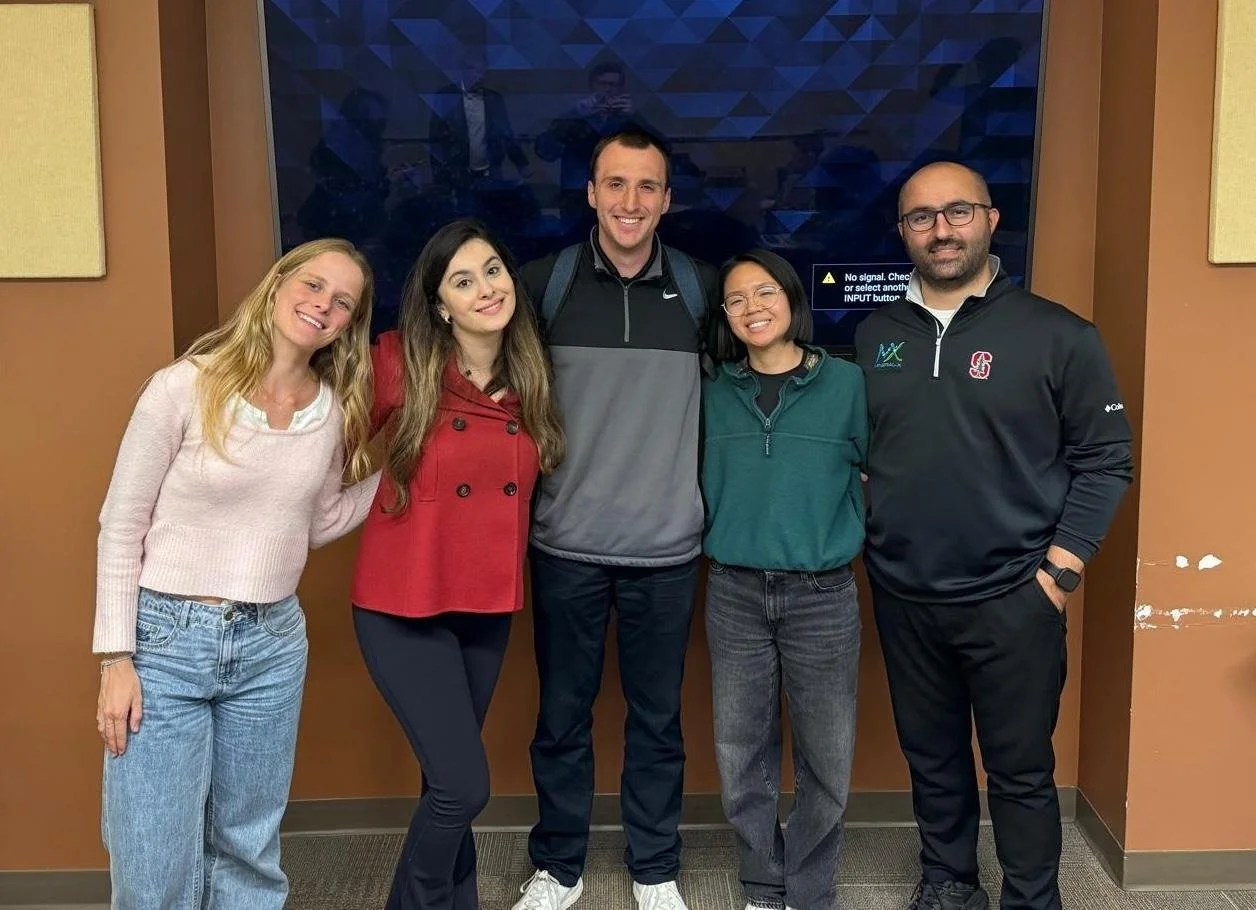
The Team
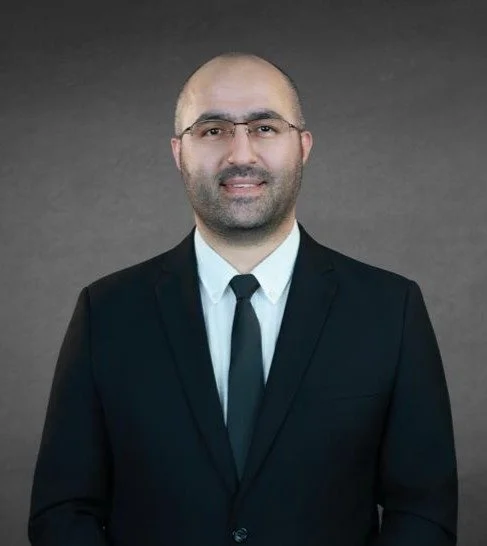
Amir Eskanlou
Amir is a postdoctoral research scientist at Stanford University's Mineral-X. He holds a Ph.D. in Energy and Mineral Engineering from Penn State. With 15 years of research and industry experience, his background includes the development and optimization of mineral processing flowsheets for copper, phosphate, graphite, and rare earth elements from primary and secondary resources, spanning circuit design, uncertainty quantification, and the optimization of energy and water consumption.
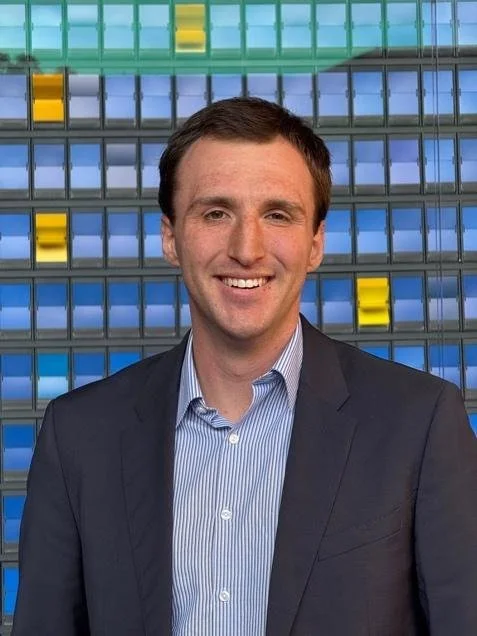
Aristotle Economon
Aristotle (Ari) is an MBA candidate at the Stanford Graduate School of Business. He brings experience in manufacturing at General Motors and in strategy at MP Materials.

Iris Elizabeth Hwang
Iris is a data scientist with a background in optimizing hydraulic fracturing operations. During H4D, she brought data science expertise to the team and helped investigate pain points and alternative opportunities across the critical mineral supply chain.
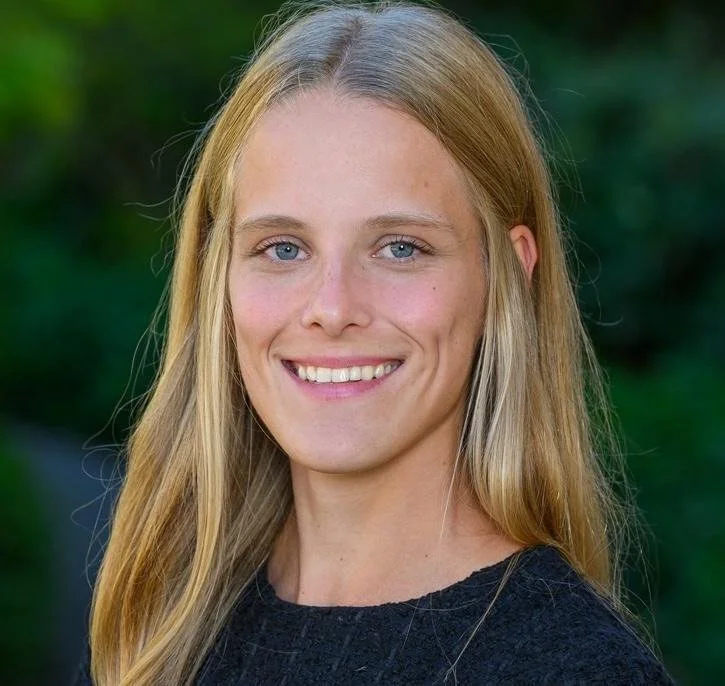
Cosima Zaveta
Cosima is a dual-degree graduate student at Stanford University, with a focus on critical mineral finance and markets. She brings hands-on mining business experience from Mariana Minerals and an international security policy background. During H4D, she helped secure future industry partners, mapped pain points across the critical mineral supply chain, and built the commercial case for the team’s focus areas.
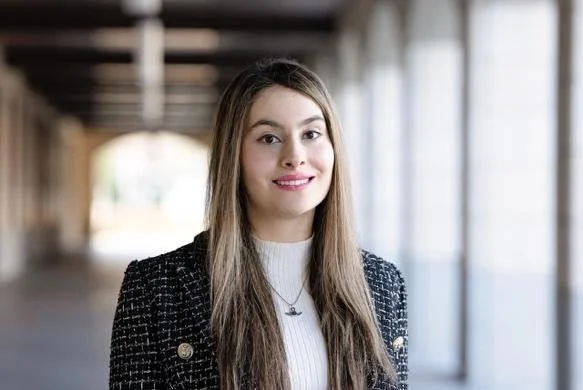
Hannah Nabavi
Hannah’s background is in engineering physics and space systems. During H4D, she pushed the team to test multiple directions in parallel, helping map where the real bottlenecks sat in the critical mineral supply chain.
In-Q-Tel
Sponsoring Organization
The United States defense industrial base needs a domestically viable, energy-efficient method for separating heavy magnetic rare earth elements in order to reduce strategic dependence on China and secure the supply chain for critical weapons systems and advanced electronics.
Original Problem Statement
Number of Interviews
The Problem
When Amir Eskanlou joined Hacking for Defense at Stanford University, he formed Team ionX around his idea to solve a challenge that sits at the center of U.S. national security: strengthening the country's critical mineral supply chain.
Critical minerals are essential for technologies like jet engines, missile guidance systems, radar systems, and advanced defense equipment. While many assume the biggest challenge is mining, the team discovered that the real issue is processing. Existing facilities often rely on decades of trial and error to identify the right chemical reagents, making the process slow, expensive, and inefficient while leaving the U.S. heavily dependent on foreign processing.
Although Amir entered the course with more than 15 years of experience researching mineral processing, Hacking for Defense challenged him and his teammates to question their own assumptions. Through 164 customer discovery interviews with defense leaders, mining companies, and industry experts, the team learned that the industry's biggest concern wasn't the problem it originally set out to solve. Instead of focusing on light rare earth elements, conversations with beneficiaries revealed that heavy rare earths like dysprosium and terbium were a much higher priority for defense applications. That insight completely reshaped their approach.
The Innovation
That pivot became the foundation for ionX Technologies, Inc., the company Amir founded to modernize mineral processing.
Rather than relying on decades of costly experimentation, ionX Technologies uses physics-informed computational modeling to screen millions of chemical reagents and identify the best option for a specific ore. Those results are then quickly validated through a custom-built laboratory system, dramatically reducing the time needed to test reagents and improve mineral recovery.
One of the technology's earliest successes came while working with one of the world's largest phosphate producers. Using ionX's approach, Amir demonstrated the potential to increase mineral recovery from 72% to 88%, a 16-percentage-point improvement that could generate an estimated $650 million in annual value for the company.
Throughout the program, Team ionX continuously refined both the technology and the business by listening to customer feedback, proving that the strongest innovations often come from being willing to adapt.
Team ionX’s H4D Experience
For Amir and his teammates, Hacking for Defense became much more than a class. While the technology continued to evolve, the biggest lesson came from the people they met along the way. Weekly conversations with instructors, mentors, and industry experts challenged them to rethink their assumptions and approach every problem with curiosity.
Amir's favorite takeaway from the course was learning to "get out of the building." Rather than becoming attached to a product, he learned to test every idea with real customers and let their feedback guide every decision. That mindset not only shaped ionX Technologies but also changed how he approaches innovation as an entrepreneur.
His advice to future H4D students is simple: talk to people early, test your assumptions often, and don't be afraid to pivot when the evidence points you in a new direction.
What’s Next
Since completing Hacking for Defense, ionX Technologies has continued to grow through the Defense Commercialization Fellowship (DCF) and support from the Defense Innovation Unit (DIU).
Amir has officially incorporated the company, secured funding from the DIU to build prototype computational and experimental systems, and is now working with industry partners to validate the technology on real-world materials.
Looking ahead, Amir plans to continue scaling ionX Technologies. While the company continues to grow, he credits much of its success to one lesson that started in Hacking for Defense: the best solutions come from listening first.
164