Void Vision
Void Vision
University of Chicago
Keeping computer vision models mission-ready with continuously refreshed, real-world data.
Jackson McAtee
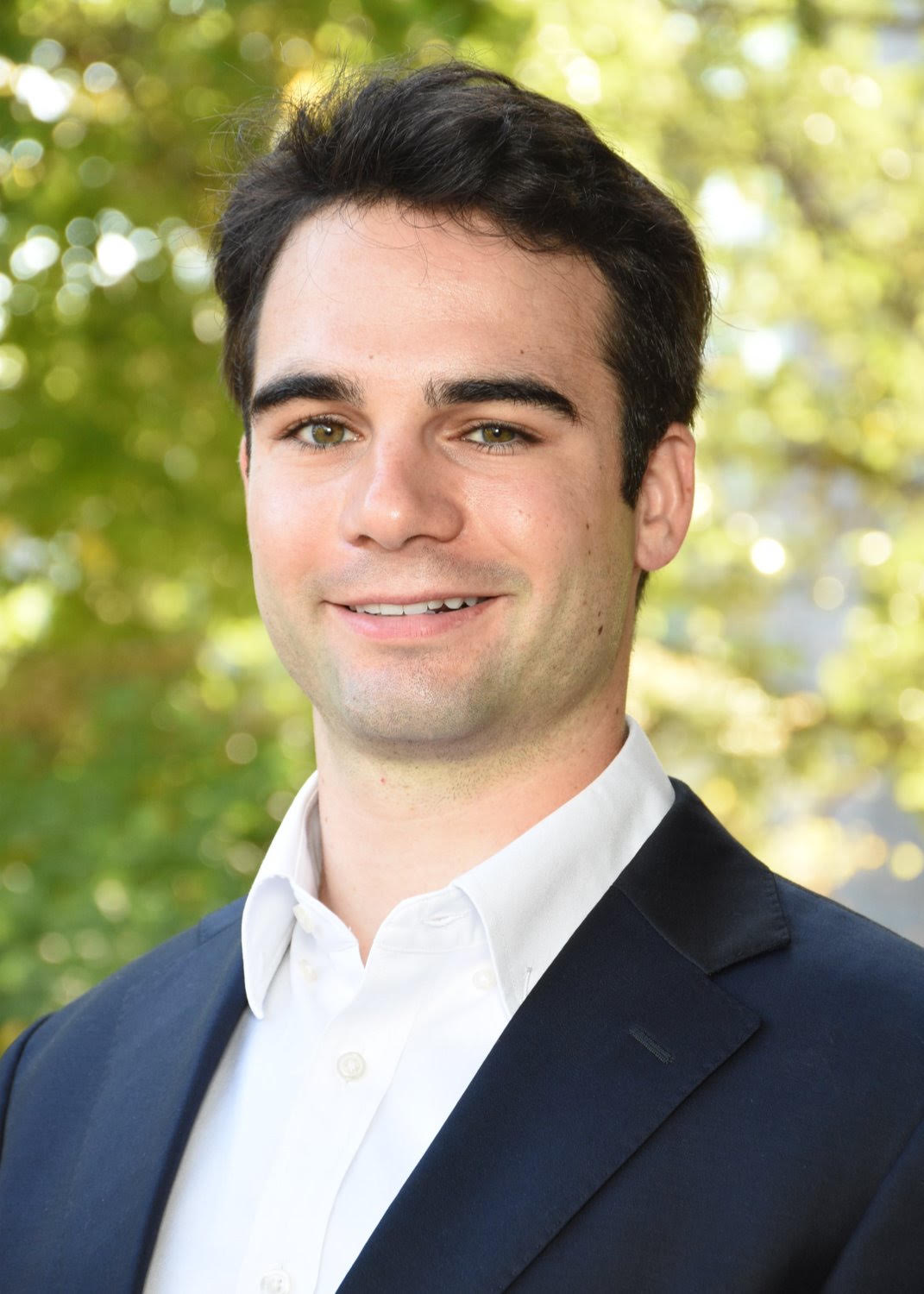
Jackson McAtee is a joint MBA and MS in Computer Science candidate at the University of Chicago Booth School of Business, where he focuses on the intersection of technology and strategy. Prior to graduate school, he worked in consulting, implementing technology-driven initiatives across the public and private sectors. Following his studies, Jackson plans to pursue strategic leadership roles within the enterprise technology space.
Overview
U.S. Navy
Problem Sponsor
Original Problem Statement
Number of Interviews
AI/ML (Artificial Intelligence/ Machine Learning) Scientists need a way to collect high-quality Air-to-Ground imagery datasets to train accurate machine learning algorithms for object detection and classification.
48
The Problem
When Jackson McAtee and his team, Void Vision, entered the Hacking for Defense (H4D) course at Chicago Booth, they faced a critical gap in the military's artificial intelligence capabilities: the rapidly changing threat landscape was outpacing the training data used for machine learning models. In the high-stakes world of computer vision – where drones and satellites must accurately identify objects like ships or vehicles – models quickly become outdated if they are not continuously fed new, reliable data. Jackson, a student with a computer science background and previous internship experience as a government consultant, saw this as an opportunity to move beyond traditional engineering and come up with a solution that could match the "speed of relevance" for the government.
The Discovery
Team Void Vision dove into the cutting edge of computer vision technology. While Jackson was familiar with natural language processing, the course pushed him to master models like YOLO ("You Only Look Once") and explore the emerging field of synthetic data generation.
The team initially investigated using AI tools like Gemini or ChatGPT to create synthetic images to augment limited real-world datasets. One example was creating an overhead view of Chinese destroyers. Through extensive research and interviews with stakeholders across the Navy, Marines, and Air Force, the team uncovered a pivotal insight: a hybrid blend of synthetic and real-world data yielded significantly stronger results than using either alone. However, they also discovered that the makeup and pixel density of synthetic images often differed from actual drone footage, revealing the need for a robust validation process to catch misleading results.
The Innovation
Void Vision’s MVP underwent a significant strategic pivot during the course. They began by focusing on the validation stage of synthetic data, but their interviews revealed a more immediate, foundational need: a reliable source for real-world baseline data. This led to the creation of a data marketplace designed to source real-world ground-truth data from drone operators. The team initiated a "bounty program," starting with a network of drone operators in Colorado, where operators are incentivized to capture specific imagery—such as trucks or cars from overhead—across diverse biomes.
This marketplace ensures a continuous flow of high-quality, diverse data that can then be augmented with synthetic images to keep machine learning models current. The team’s business model also received unique validation during their initial pitch. Panelists noted that Void Vision could be highly successful as a "great cash-flow business," proving that an innovation doesn't need to be a "billion-dollar venture" to do something great for the world and be profitable.
Jackson McAtee’s H4D Experience
For Jackson, the H4D methodology provided a stark contrast to his engineering background. "For a long time, you're kind of told what the issue is... and you're just very focused on a solution," Jackson reflected. The course forced him to make an "upfront investment" in understanding the problem first, a skill he now considers "priceless.”
Jackson found the opportunity to meet weekly with a government partner—who placed immense trust in the student team—to be one of the most valuable aspects of the program. He advises future students to embrace the "ambiguous environment" of the course, as the ability to pivot quickly is a skill that translates directly to the real world.
What’s Next
Jackson plans to stay firmly planted in the data and national security space. He is particularly interested in the responsible implementation of AI agents for government missions and the use of open-source intelligence (OSINT) to drive insights for both public and private sectors.
While he is heading into a private equity internship this summer, Jackson remains committed to the H4D mission, volunteering to serve as a peer mentor for future students working on similar national security challenges. He hopes to eventually combine his technical expertise with an investor role to continue supporting defense technology.